Why Gum Health Should Never Be Ignored in Ventura

A surprising number of dental problems do not begin with a toothache. They begin quietly, at the gumline, where mild irritation is easy to dismiss and early damage is often painless. By the time many people in Ventura decide to bring up bleeding gums, persistent bad breath, or tenderness while brushing, the issue has often progressed beyond simple inflammation.
That matters because gum disease is not just a cosmetic concern. Healthy gums anchor and protect the structures that keep teeth stable for decades. When gum tissue becomes chronically inflamed, the effects can spread beneath the surface, reaching the ligament and bone that support each tooth. In practice, this means a person can feel fine, keep chewing normally, and still be losing support around otherwise healthy-looking teeth.
In a coastal community like Ventura, where people often stay active well into later life, long-term oral health has practical value. It affects speech, comfort, confidence, food choices, and the ability to avoid extensive dental work later on. Gum health deserves attention not because of alarmism, but because neglect tends to create larger, more expensive problems that could have been managed earlier with far less intervention.
The trouble with gum disease is how ordinary it looks at first
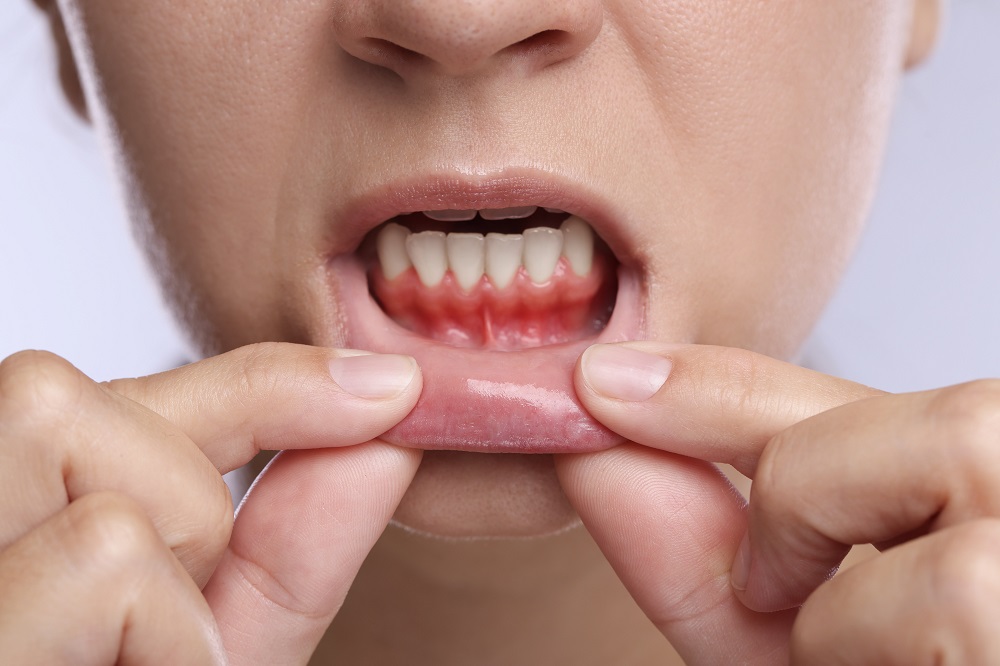
Early gum disease, often called gingivitis, rarely announces itself dramatically. A little blood in the sink after flossing. Slight puffiness near the molars. A feeling that the gums are more sensitive during a cleaning. Many people assume they brushed too hard or skipped flossing for a few days and move on.
Sometimes that assumption is partly true. Gums can become irritated from inconsistent home care, a new mouth rinse, or even aggressive brushing. The problem is that persistent inflammation does not stay harmless. If plaque remains along and under the gumline, the body keeps responding to the bacterial buildup. Over time, the gum attachment weakens, pockets can form around the teeth, and bone loss may begin. At that stage, the condition has moved into periodontitis.
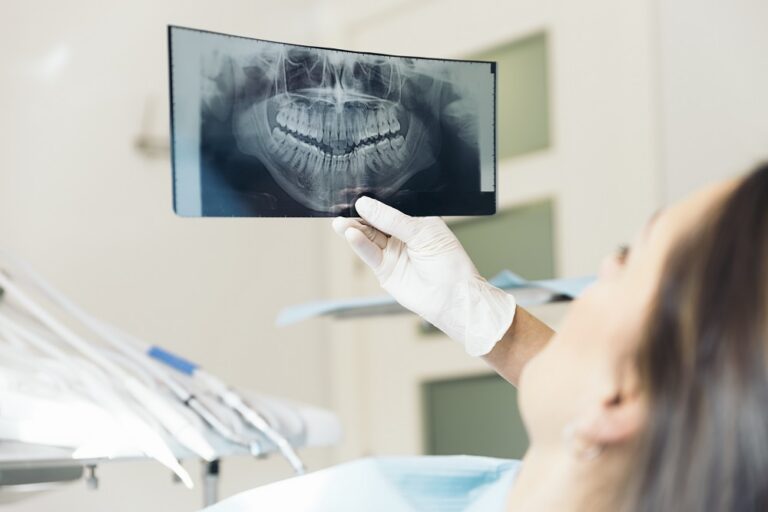
What makes this especially frustrating is that periodontitis can progress with very little pain. Patients are often shocked when an exam or X-rays reveal bone changes despite the fact that they did not feel a classic warning sign. In many offices, this is one of the most common conversations clinicians have with adults in their forties, fifties, and sixties. They are brushing every day, they may not have any cavities, and yet their gums are telling a different story.
Ventura lifestyles can hide the warning signs
Ventura residents tend to have active routines. Surfing, cycling, hiking, outdoor work, long commutes, and busy family schedules all shape how people prioritize their health. Dental symptoms that do not interfere with daily function often get pushed aside. A person can tolerate some gum bleeding for months if it does not stop them from getting to work or enjoying a weekend outdoors.
There is also a common tendency to treat gum changes as minor compared with a cracked tooth or visible decay. If you can still chew, the thinking goes, it cannot be that serious. That mindset is understandable, but clinically it is backward. Gum disease is often more dangerous precisely because it advances quietly. A cavity on a front tooth usually gets noticed. Bone loss around back teeth often does not.
Ventura’s dry stretches, seasonal allergies, and medication-related dry mouth can add another layer. A drier mouth changes the oral environment and can make plaque control harder. Mouth breathing, common with congestion, can irritate gum tissue further. None of these factors causes periodontal disease on its own, but together they can make it easier for inflammation to persist.
What healthy gums actually do
People often think of gums as the pink frame around the teeth. In reality, they are a protective seal and part of a larger support system. Healthy gum tissue fits snugly around the tooth, helping block bacteria from moving deeper into the surrounding structures. Beneath it, connective fibers and bone hold teeth in position through years of daily force from chewing and grinding.
When the gums are inflamed for long periods, that seal weakens. The body’s own inflammatory response begins to damage the tissue it is trying to defend. This is one of the difficult truths about periodontal disease. It is not only about bacteria sitting on the teeth. It is also about how the body reacts over time to persistent bacterial challenge.
That is why the phrase “my teeth are fine, it’s just my gums” misses the point. Teeth do not function independently from the tissues that support them. Strong enamel is valuable, but enamel alone cannot keep a tooth stable if the foundation beneath it is deteriorating.
The signs people in Ventura should take seriously
Not every tender spot signals disease, and not every episode of bleeding means a major problem. Still, there are patterns that deserve prompt evaluation. The earlier a dentist or periodontist sees them, the more conservative the treatment is likely to be.
- gums that bleed regularly during brushing or flossing
- persistent bad breath that does not improve with routine cleaning
- gum recession, teeth that appear longer, or new sensitivity near the roots
- tenderness, swelling, or a puffy appearance along the gumline
- teeth that feel slightly loose, shifted, or different when you bite
A single one of these signs does not automatically mean advanced periodontitis. It does mean the tissues need a closer look. Waiting for pain is a poor strategy because gum disease often causes damage long before it causes distress.
Why bleeding gums should never be brushed off
There is still a stubborn myth that bleeding while flossing is normal, especially if someone has not flossed consistently. A better comparison is this: if your skin bled every time you washed your hands, you would not call that normal. You would assume something was irritated or inflamed.
Gums bleed because the tissue is inflamed and more fragile than it should be. In mild cases, improved plaque removal can reduce that inflammation quickly. In more advanced cases, however, bleeding reflects deeper infection and tissue breakdown below the visible gumline. The only way to know the difference is through a proper periodontal evaluation, which may include pocket measurements, radiographs, and a review of medical and home care factors.
Many patients delay that visit because the bleeding comes and goes. They see improvement for a week, then assume the issue has resolved. Intermittent symptoms are common in chronic inflammation. Temporary improvement does not always mean the disease process has stopped.
Gum recession is not just an aging issue
One of the most common phrases patients say is, “I thought my gums were just receding because I’m getting older.” Age can make changes more noticeable, but recession is not simply a normal milestone like getting gray hair. It usually points to one or more contributing factors, such as periodontal disease, aggressive brushing, clenching, a thin gum biotype, misaligned bite forces, or longstanding inflammation.
Recession matters because it exposes root surfaces that were not designed to handle the same wear as enamel. This often leads to sensitivity, notching near the gumline, and higher risk for root decay. It can also make teeth look uneven or longer, which bothers some patients aesthetically even before it affects function.
When recession appears, the best response is not to guess the cause. It is to determine whether active disease is present, whether the brushing technique needs to change, and whether treatment is needed to stabilize the area. Some cases require little more than improved hygiene and monitoring. Others need deeper periodontal care or surgical correction. Judgment matters.
The cost of waiting is rarely just financial
People often postpone care because they are worried about expense. Ironically, delayed periodontal treatment tends to increase total cost rather than reduce it. Early intervention might involve targeted deep cleaning, bacterial control, more frequent maintenance, and home care changes. Late intervention may involve gum surgery, bone grafting, extraction, implant planning, or complex restorative work.
The financial side is only part of it. Waiting can mean more appointments, more healing time, more discomfort, and fewer options. Once bone support is lost, the goal usually shifts from reversing damage to controlling disease and preserving what remains. Dentistry can do a great deal, but there are limits to how much natural support can be rebuilt predictably in every case.
This is why conversations about Periodontal Treatment Ventura patients receive should start early, before the word “advanced” enters the chart. The best periodontal care is often the care that prevents a surgical or restorative cascade later.
What evaluation and treatment usually involve
A thorough gum health assessment is more detailed than a quick glance during a routine cleaning. The clinician looks at tissue color and contour, checks for bleeding points, measures the spaces between gum and tooth, evaluates recession, and reviews radiographs for bone levels. They also look for plaque retention areas, restorations that may be contributing to irritation, grinding patterns, and medical factors such as diabetes, smoking history, medications, and dry mouth.
Treatment depends on the stage and pattern of disease. Mild gingivitis may improve with a professional cleaning and better home care. Periodontitis often requires scaling and root planing, sometimes called deep cleaning, to remove buildup below the gumline and smooth root surfaces so the tissue can heal more effectively. In some cases, locally delivered antimicrobials or other adjuncts are used. More advanced cases may benefit from referral to a periodontist for specialized treatment, including surgery when necessary.
Patients sometimes worry that a recommendation for periodontal therapy means they have done something terribly wrong. Usually it means the disease has reached a point where a standard cleaning is no longer enough. That distinction matters. A regular prophylaxis is designed for a generally healthy mouth. Active periodontal disease needs a different level of care.
Home care helps, but it is not always enough by itself
Good daily habits are essential, but they have limits. Once hardened deposits and deep inflammation develop below the gumline, brushing and flossing alone cannot fully resolve the problem. That is not a failure on the patient’s part. It is the nature of the disease.
Still, home care makes every professional treatment work better and last longer. Technique often matters more than force. Many people scrub instead of cleaning methodically, miss the back molars, or rush through flossing without actually curving around the tooth surface. Small adjustments can make a measurable difference over time.
A practical routine usually includes the following:
- brushing twice daily with a soft-bristled brush and a gentle gumline angle
- cleaning between the teeth every day with floss, picks, or interdental brushes, depending on the spaces
- using products recommended for your specific risk factors, such as dry mouth or sensitivity
- keeping periodontal maintenance visits as scheduled, especially after active treatment
- reporting changes early instead of waiting for the next six-month appointment
That last point deserves emphasis. If gums suddenly become more tender, swollen, or prone to bleeding, do not assume it can wait. A quick evaluation can prevent a longer problem.
The mouth-body connection is worth taking seriously, carefully
There is a lot of noise online about oral health and systemic disease. Some claims are overstated. Still, one point is solid and well accepted: chronic inflammation in the mouth is not something to ignore, especially https://troylwyq794.publishlane.com/posts/periodontal-treatment-ventura-solutions-for-gum-recession in people already managing broader health concerns.
Patients with diabetes often see a two-way relationship between blood sugar control and periodontal inflammation. Smokers typically face higher risk, more severe disease progression, and slower healing. Certain medications can contribute to dry mouth or gum overgrowth, complicating plaque control. Pregnancy can make gums more reactive to plaque. None of this means every medical issue causes gum disease, but it does mean oral health should be treated as part of overall health, not as a separate cosmetic category.
From a practical standpoint, dentists who manage gum disease well tend to pay close attention to the whole patient. They ask about medications, sinus issues, stress, clenching, diet patterns, and home care routines because periodontal disease is rarely explained by one factor alone.
Why maintenance matters after treatment
One of the biggest misunderstandings about periodontal therapy is the belief that treatment “fixes” the gums permanently. In reality, periodontitis is often managed rather than cured in a once-and-done sense. After active treatment, the goal is to reduce bacterial load, decrease pocket depths where possible, stabilize attachment levels, and create conditions that are easier to maintain.
That is where periodontal maintenance comes in. These visits are more focused than routine cleanings. They allow for ongoing monitoring of pockets, bleeding points, plaque retention, and recurrence patterns. For some patients, three- or four-month intervals are appropriate, especially in the first year after treatment. Others may transition differently based on risk and stability.
Skipping maintenance because the gums “feel fine” is one of the fastest ways to lose the gains made during therapy. Gum disease has a habit of returning quietly. Consistent monitoring catches that early, when correction is still straightforward.
Choosing the right time to act
If you live in Ventura and have noticed any ongoing gum changes, the right time to address them is before they become dramatic. You do not need obvious pain, severe swelling, or a loose tooth to justify an evaluation. In fact, by the time those signs appear, the process has usually been active for a while.
The most sensible approach is not panic and not neglect. It is timely assessment. A careful exam can tell the difference between minor irritation and a deeper periodontal issue. It can also identify the people who need specialized Periodontal Treatment Ventura providers offer, as opposed to those who simply need improved home care and closer monitoring.
There is a certain relief that comes when patients finally understand what has been happening with their gums. Uncertainty is replaced with a plan. Sometimes that plan is modest. Sometimes it requires more involved care. Either way, clarity is better than guessing.
Healthy gums rarely draw attention to themselves, which is exactly how it should be. They do their work quietly, day after day, supporting every meal, every conversation, every smile. Ignoring them is easy. Protecting them is far wiser.
Avra Dental
Address: 1708 S Victoria Ave B, Ventura, CA 93003
Phone number: (805) 941-1001
FAQ About Periodontal Treatment Ventura
Can a dentist get rid of periodontal disease?
A dentist or gum specialist (periodontist) cannot fully cure or reverse advanced periodontal disease (periodontitis), but they can successfully stop its progression and manage the infection.
Is periodontitis very serious?
Yes, periodontitis is a very serious, advanced form of gum disease that destroys the bone and tissues supporting your teeth.
How is stage 2 periodontal disease treated?
Stage 2 periodontal disease (early to moderate periodontitis) is primarily treated with non-surgical deep cleaning procedures like scaling and root planing to remove bacteria and tartar below the gumline.